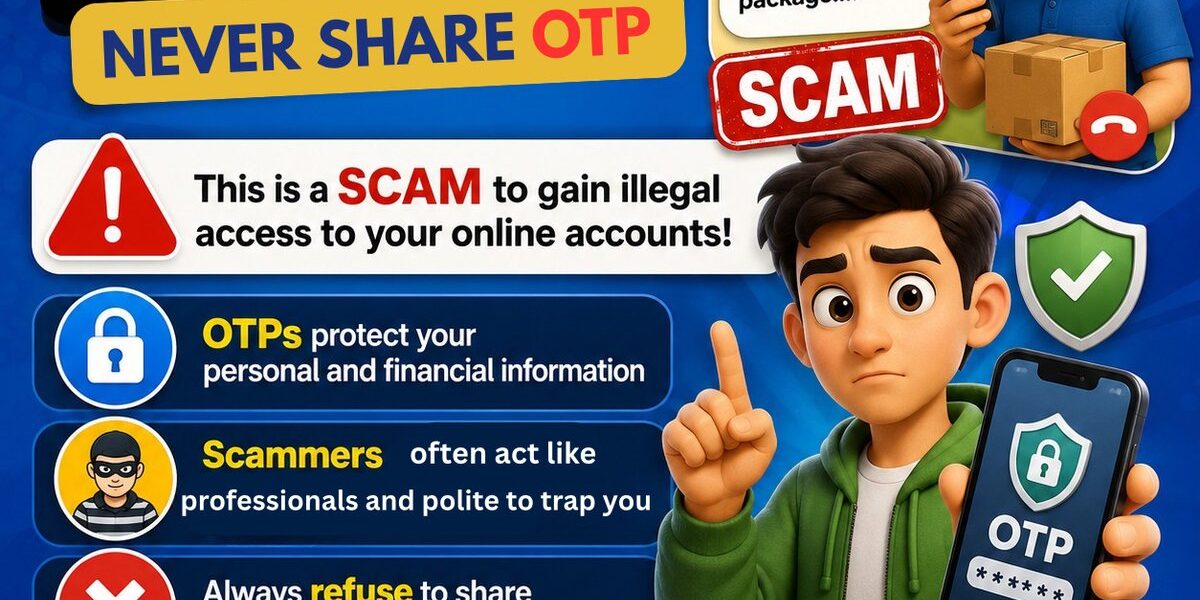
Key Takeaways
- Scammers often send fake delivery texts or emails pretending to be from courier companies.
- These messages may ask you to click suspicious links, pay fees, or share your OTP.
- The Pakistan Telecommunication Authority (PTA) warns the public against falling for such scams.
The Pakistan Telecommunication Authority (PTA) has issued a warning to the public about fake courier messages that are circulating online. These deceptive communications, which often appear as texts or emails from well-known courier companies, aim to trick recipients into clicking on suspicious links, paying fees, or sharing their One-Time Passwords (OTPs).
In a statement, the PTA advised citizens to remain vigilant and avoid any actions that could compromise their personal information. 'Do not click,' the authority emphasized, adding, 'do not share' and 'do not fall for it.' The warning comes as these types of scams have become increasingly prevalent in recent months, with many users reporting receiving such messages.
The PTA highlighted the importance of staying informed about such threats to ensure online safety. 'Stay smart. Stay safe online,' the statement concluded, urging the public to be cautious and report any suspicious activity to relevant authorities or cybersecurity experts.
Scammers often use these tactics to gain access to sensitive information, which can then be used for fraudulent purposes. By mimicking legitimate courier services, they create a sense of urgency that encourages recipients to act without thinking critically about the legitimacy of the message.
The PTA has previously issued similar warnings regarding other types of online scams, emphasizing the need for public awareness and education in this area. The authority advises users to verify any suspicious messages by contacting the official customer service number or visiting the company’s website directly rather than clicking on links provided in the messages.
In addition to the PTA's warning, cybersecurity experts recommend that individuals should regularly update their security settings and use strong, unique passwords for different accounts. This can help prevent unauthorized access even if a scammer manages to obtain some information.
The public is encouraged to report any instances of such scams to the National Telecommunication Regulatory Authority (NTRA) or local law enforcement agencies. By working together, citizens and authorities can combat these threats more effectively.