Key Takeaways
- Chief Minister Maryam Nawaz met with Punjab Assembly Speaker Malik Muhammad Ahmad Khan for a second time this week.
- Discussions focused on inclusive legislation, prison reforms, and the controversial bill related to habitual offenders.
- The CM praised the 'Apna Khet, Apna Rozgar' scheme, while the Speaker commended her policy at the National Paigham-i-Aman Committee.
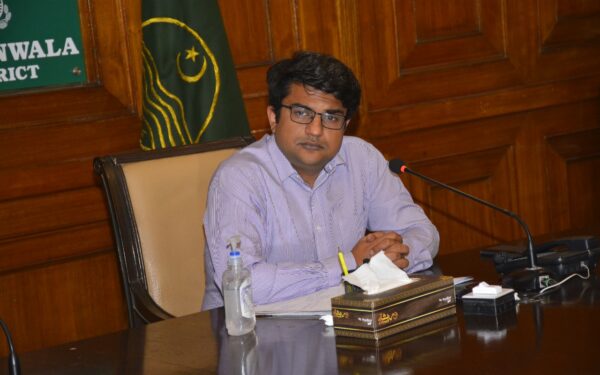
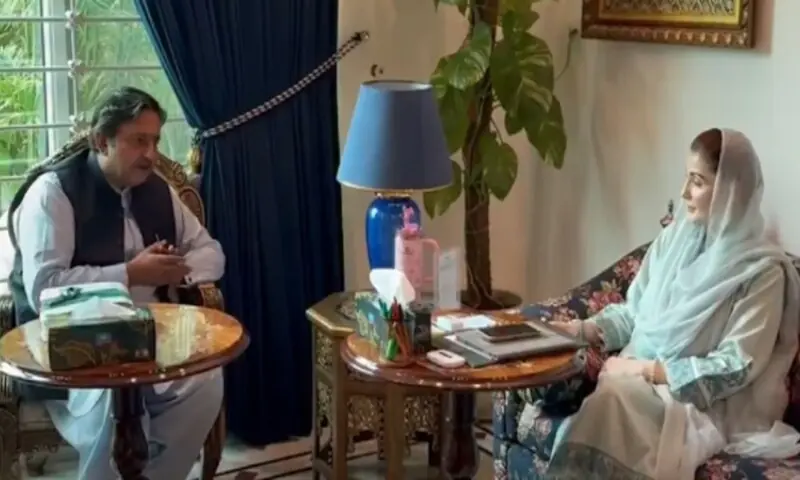
Chief Minister Maryam Nawaz of Punjab met with Punjab Assembly Speaker Malik Muhammad Ahmad Khan for a second one-on-one meeting in a week to discuss legislative issues. The meeting took place on Wednesday, following their previous discussion earlier this week.
During the meeting, CM Nawaz emphasized the importance of 'inclusive legislation,' ensuring that both treasury and opposition members are consulted in the legislative process. She highlighted the need for mutual coordination to ensure effective governance.
Speaker Khan expressed his commitment to following the CM's direction and praised her policy at the National Paigham-i-Aman Committee. He also congratulated Nawaz on the successful balloting under the 'Apna Khet, Apna Rozgar' scheme, which aims to provide employment opportunities through agriculture.
Both parties discussed legislative matters related to prison reforms and a controversial bill—the Punjab Control of Habitual Offenders and Anti-Social Behaviour Bill, 2026. The CM stated that the government is introducing new public welfare projects every day, with a focus on underdeveloped areas where electric buses are being introduced and modern agricultural machinery is being brought in to improve the farming sector.
The meeting underscored the ongoing efforts by the provincial government to address legislative challenges and enhance public welfare. The CM's emphasis on inclusive legislation and her commitment to addressing rural development issues were highlighted during the discussions.
Speaker Khan also lauded the 'Apna Khet, Apna Rozgar' scheme, describing it as an outstanding achievement of the entire team. He expressed confidence in the government’s ability to continue implementing such initiatives effectively.