Key Takeaways
- Pakistan ranked among countries with most serious hunger crises.
- 10.6 million Pakistanis will require humanitarian assistance this year.
- Government’s economic recovery claims face significant challenges.
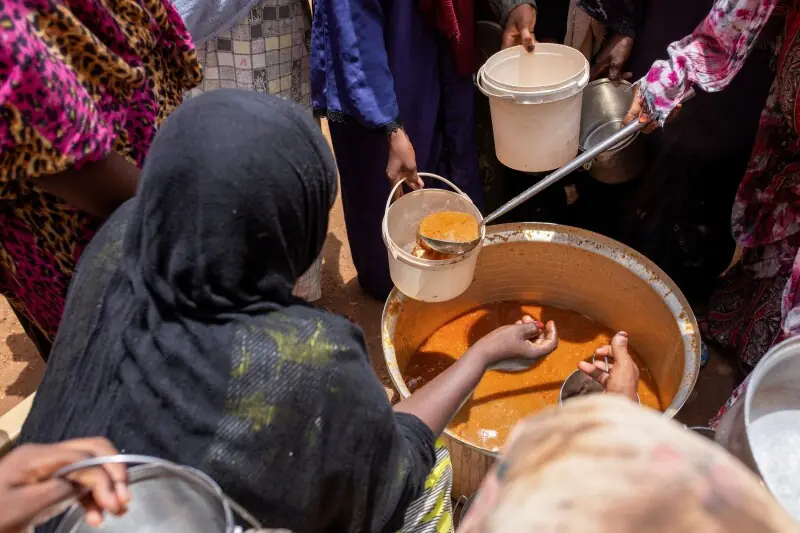
Pakistan has been ranked among the countries suffering the world’s most serious hunger crises, according to the 2026 Global Hunger Index. The report, which places Pakistan in the worst position in South Asia, highlights the stark contrast between the country’s economic progress and the struggles faced by millions of its citizens.
Action Against Hunger, in a separate report, identifies Pakistan as one of ten countries bearing the brunt of the global food crisis. The findings underscore the need for a more nuanced understanding of the country’s economic performance, particularly in light of the millions of people who are unable to secure enough food.
The report estimates that 10.6 million Pakistanis will require humanitarian assistance this year, a figure that reflects the severity of the situation. This places Pakistan alongside countries such as Sudan, Yemen, Afghanistan, South Sudan, Syria, and the Democratic Republic of the Congo, where prolonged conflicts, displacement, and weakened institutions have devastated livelihoods and food security.
Economic instability, food inflation, and repeated climate shocks have undermined household purchasing power and agricultural livelihoods. The problem extends beyond the mere availability of food; families whose incomes fail to keep pace with essential expenses can find adequate nutrition increasingly unaffordable, even when food is available in markets.
The government’s official narrative of stabilisation and recovery faces significant challenges. Improvements in foreign exchange reserves, inflation indicators, or fiscal balances can provide important foundations for economic progress. However, the government must explain how these gains are being transmitted to households struggling with food insecurity, inadequate employment opportunities, and declining purchasing power.
Growth figures acquire limited meaning for families forced to reduce meals, sell productive assets, or withdraw children from school simply to survive. The international environment is becoming more hostile, with the UNDP warning that higher energy and food prices could push approximately 130 million people into poverty worldwide this year if the increases are passed on without protective measures.
Pakistan’s exposure to floods, droughts, and agricultural disruption makes it particularly vulnerable. These pressures, however, strengthen the case for urgent domestic policy action rather than providing an explanation sufficient to excuse continued deterioration. The government must place food security at the centre of economic policymaking.
This requires protecting the purchasing power of vulnerable households, improving the targeting and delivery of social assistance, supporting agricultural productivity, and reducing losses throughout food supply chains. Nutrition programmes, particularly those directed towards children, are crucial in addressing the root causes of hunger and malnutrition.