Key Takeaways
- Saudi Arabia is considering joining the Abraham Accords despite missile attacks.
- Crown Prince Mohammed bin Salman aims to protect Saudi Arabia’s economic interests.
- Pakistan cannot prevent Saudi Arabia from accepting Israel due to its own strategic concerns.
Saudi Arabia is facing a complex security challenge with Houthi missile and drone attacks, which have exposed vulnerabilities in its defenses. Despite these threats, the country is reportedly considering a strategic shift, including the possibility of joining the Abraham Accords with Israel.
Crown Prince Mohammed bin Salman (MBS) is focused on protecting Saudi Arabia’s oil infrastructure and maintaining investor confidence, according to a seasoned foreign policy professor. His teams are actively engaged with both Israel and the Gulf states.
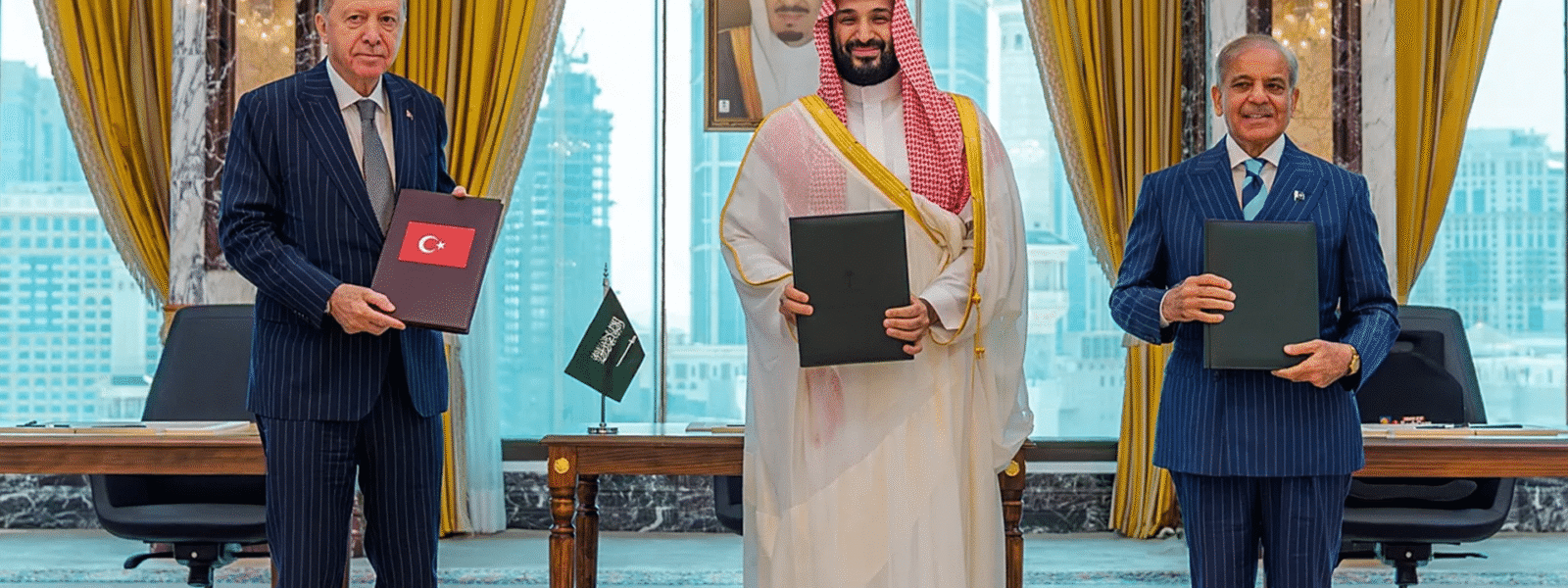
The Makkah Joint Defence Agreement, signed in August 2026, is seen as a potential support mechanism, treating an attack on one party as an attack on all three. However, the practical obligations of this agreement remain unclear.
Pakistan, while committed to regional stability, cannot afford to enter an expanding war without clearly defining its national interests. The country’s own economic pressures, security concerns, and political dynamics make it difficult to intervene decisively.
Turkey, which recognized Israel in 1949, is unlikely to play a significant role in the near future, according to the professor. This limits Pakistan’s ability to influence Saudi Arabia’s decision.
The issue of Gulf monarchies extends beyond military alliances, raising questions about political participation and accountability. The current crisis offers a clear lesson that both Saudi Arabia and its neighbors face threats that could lead to a shift in alliances.
Pakistan should stand by its commitments without surrendering its strategic independence. Saudi Arabia needs a security strategy that combines defense, diplomacy, and domestic reform to address these challenges.
In conclusion, Pakistan cannot stop Saudi Arabia from accepting Israel, as the country’s own strategic interests and limitations prevent it from exerting significant influence.
The Makkah Pact is symbolic. Mostly vibes, unless Pakistan and Turkey bend courtesy to help their friend.
A seasoned foreign policy professor, Not specified