Key Takeaways
- 165 village conservation committees have been set up in Khyber Pakhtunkhwa and Azad Jammu and Kashmir.
- These committees are part of the Green Pakistan Programme’s wildlife component.
- The initiative aims to expand community participation in wildlife and habitat conservation.
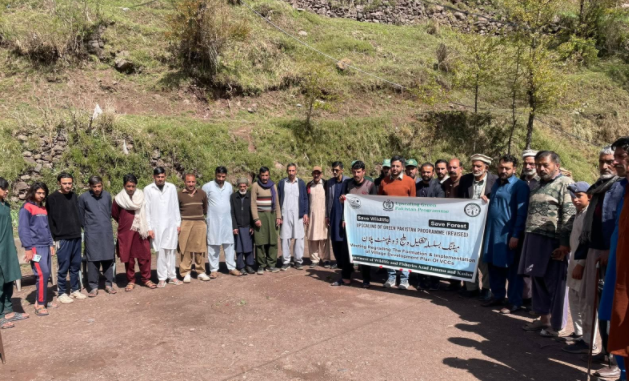
As part of the Green Pakistan Programme, 165 village conservation committees (VCCs) have been established in Khyber Pakhtunkhwa and Azad Jammu and Kashmir. This initiative is aimed at enhancing community involvement in the protection and conservation of wildlife and their habitats.
The programme, which focuses on the wildlife component, seeks to empower local communities to take an active role in safeguarding the environment. By setting up these VCCs, the government aims to foster a sense of responsibility and ownership among the local populace.
The establishment of these committees is a significant step towards achieving the broader goals of the Green Pakistan Programme. These committees will work closely with local authorities and wildlife experts to monitor and manage the conservation efforts in their respective areas.
The VCCs will be responsible for various tasks, including the protection of wildlife, the prevention of poaching, and the promotion of sustainable practices among the local communities. This collaborative approach is expected to yield positive results in the long term.
The Green Pakistan Programme, launched by the government, is a comprehensive initiative aimed at promoting environmental sustainability and conservation. The programme encompasses various components, including afforestation, wildlife conservation, and community engagement.
By involving local communities in the conservation efforts, the programme hopes to create a sustainable and resilient environment. The establishment of VCCs is a testament to the government’s commitment to involving the public in the conservation process.
The success of these committees will depend on the active participation and support of the local communities. The government has provided training and resources to ensure that the VCCs are well-equipped to carry out their responsibilities effectively.
The initiative is part of a broader strategy to address environmental challenges and promote sustainable development in the region. By empowering local communities, the programme aims to create a lasting impact on the environment and the well-being of the local population.